



Fast Dispatch from Newry: No customs charges or import fees to ROI & UK
- Brand: Trixie
- Sku: TX2282
Trixie | Dog Activity | Training Touch Target Stick
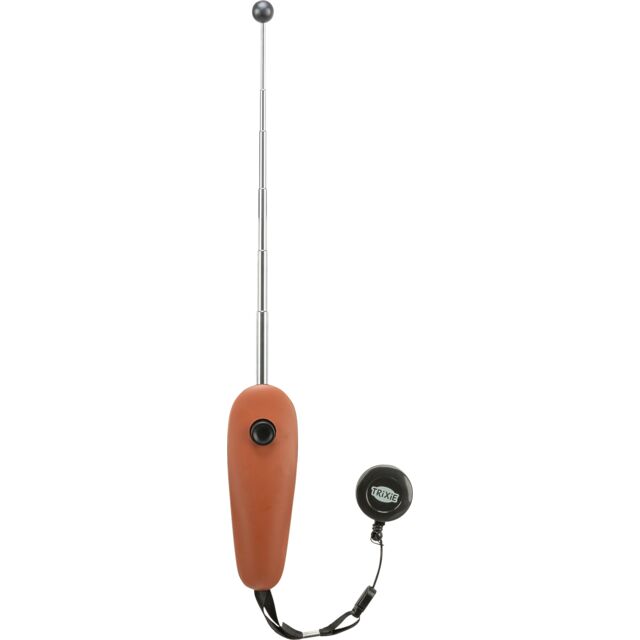
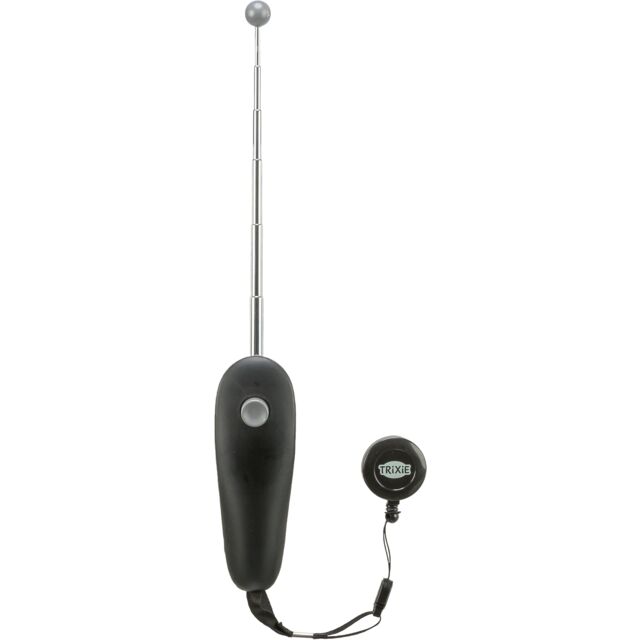
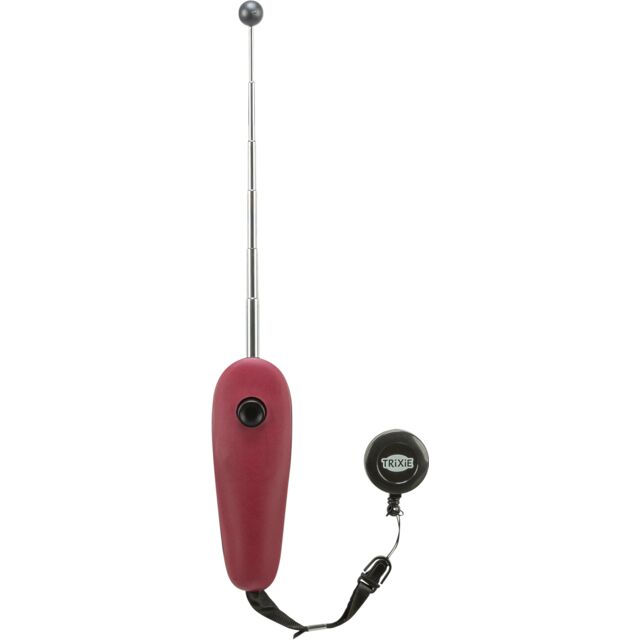
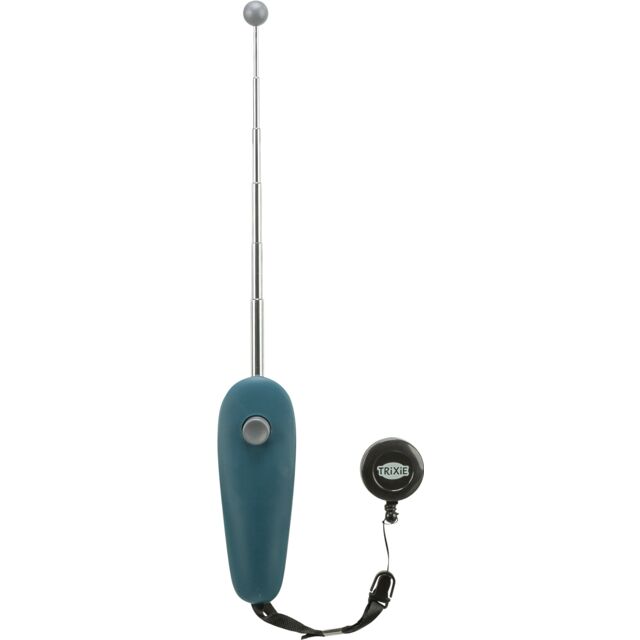
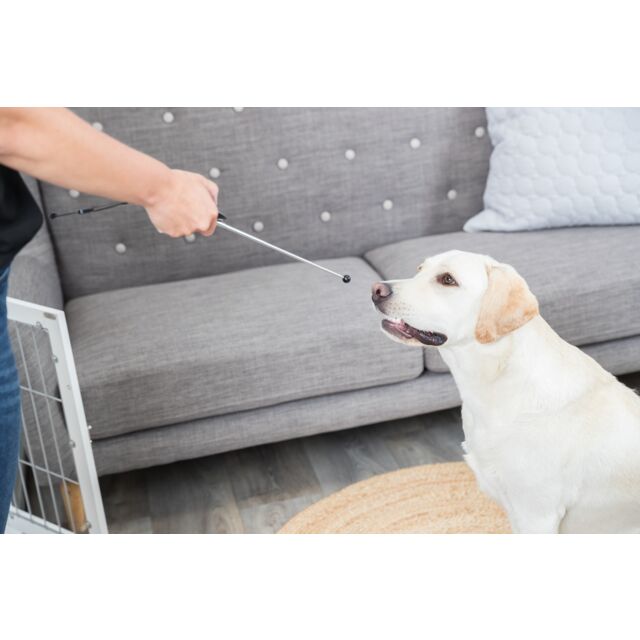
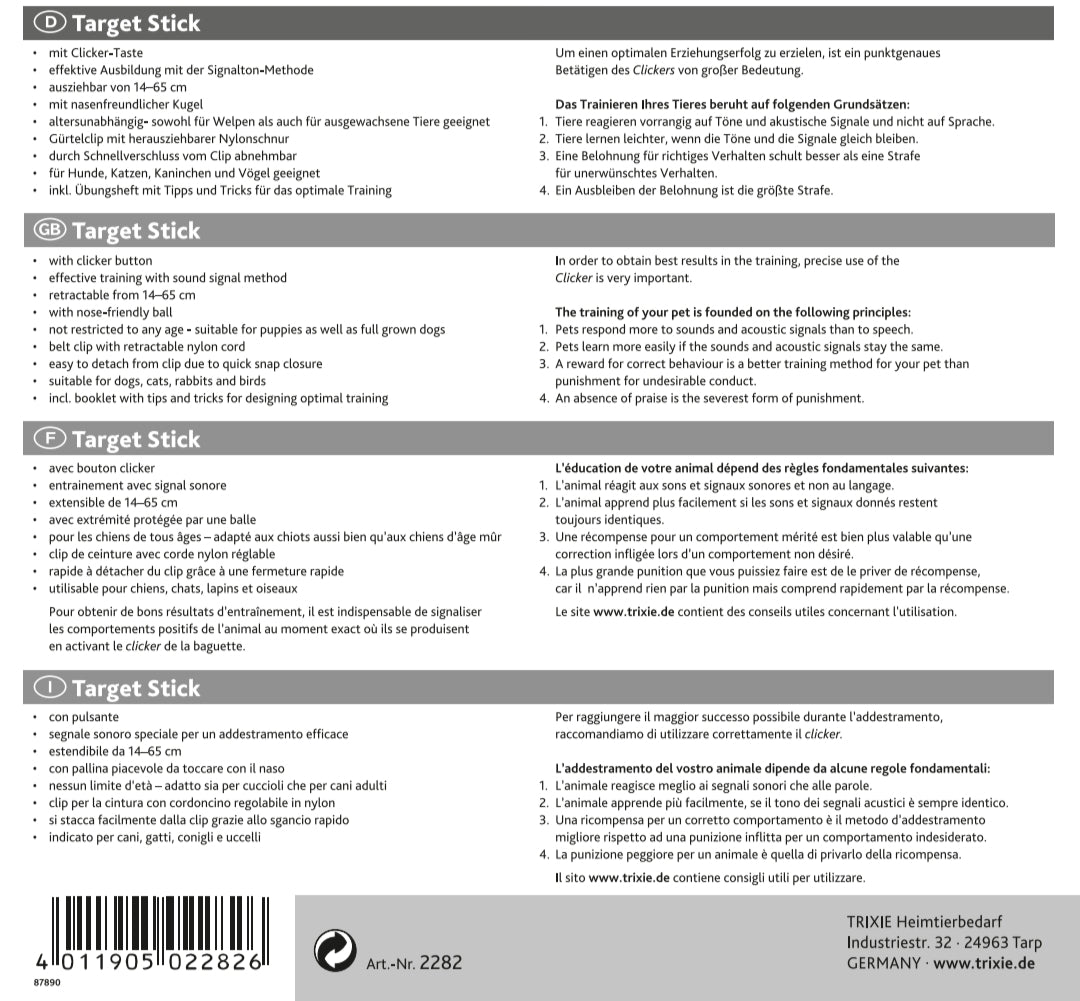
A target stick provides a visual aid for your dog to follow, with the nose friendly ball point end being ideal for guiding your dog into position.
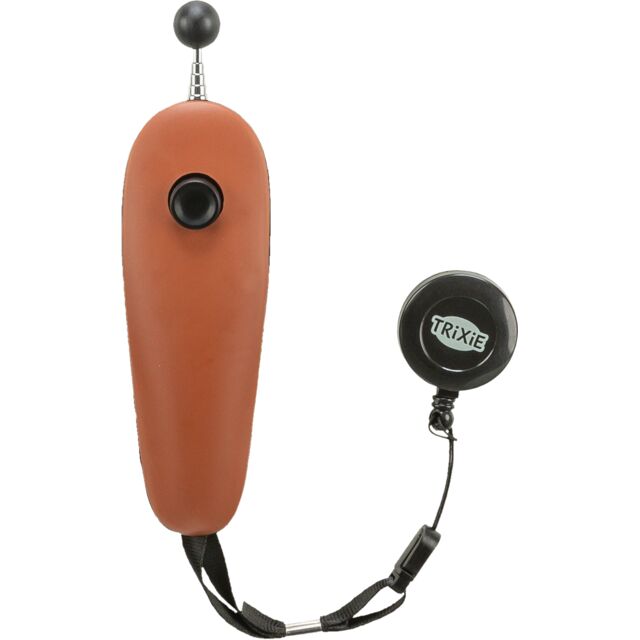
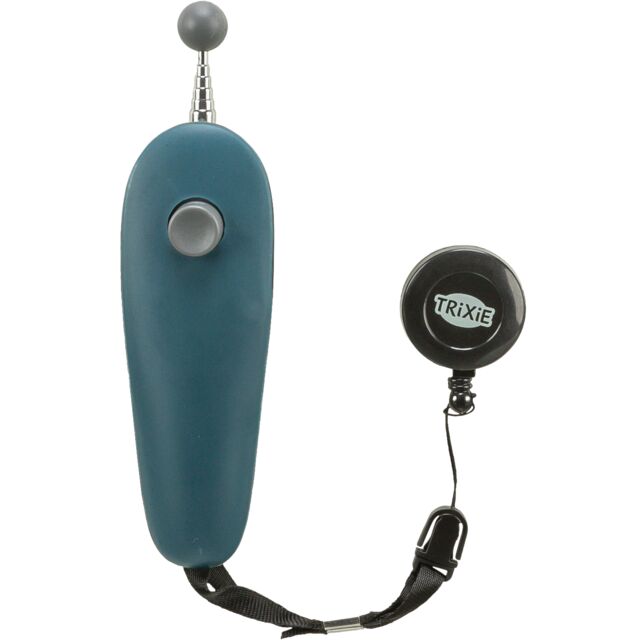
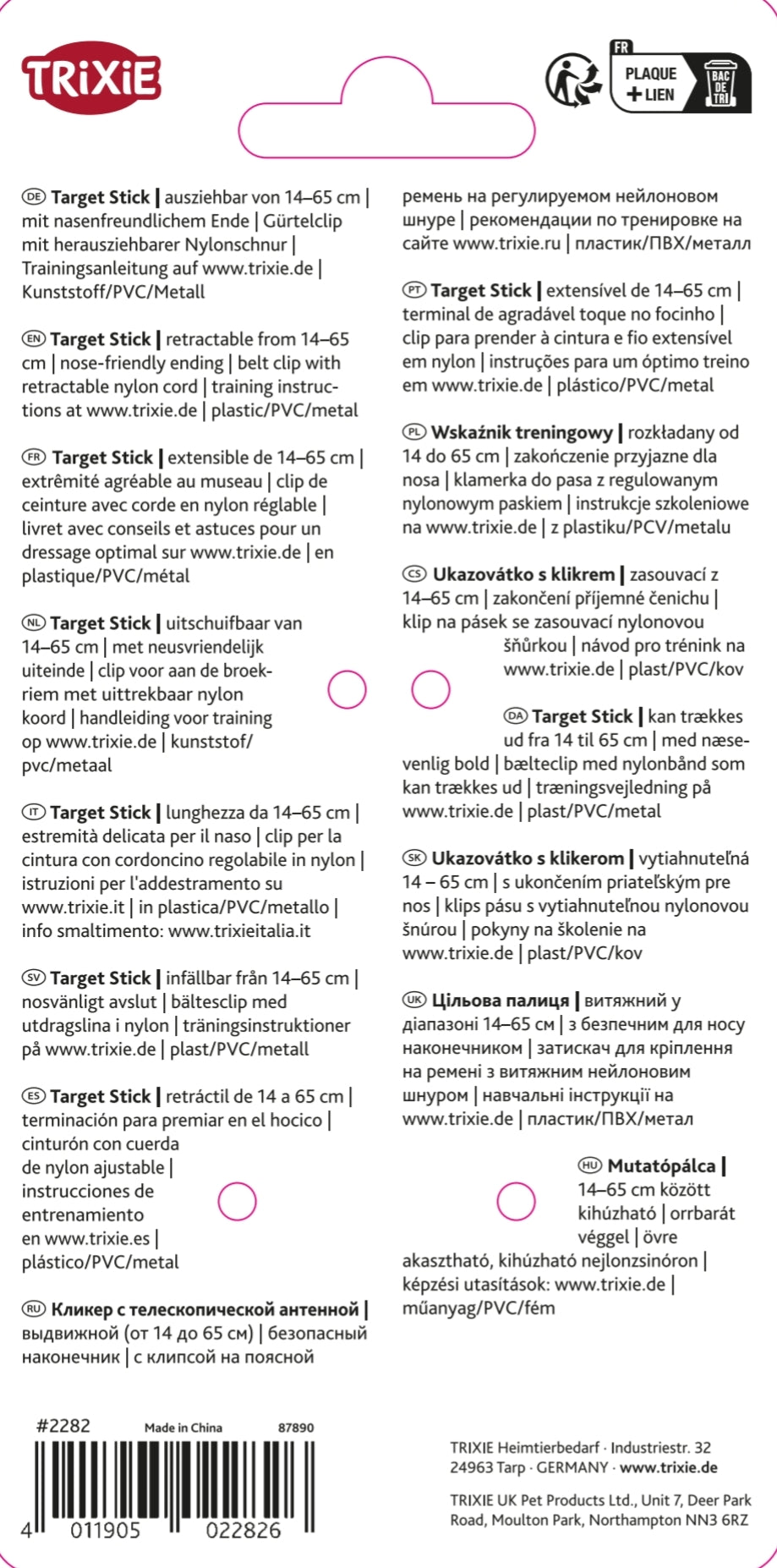
The adjustable nylon cord and belt clip make carrying the target stick simple and easy, while the stick retracts from a length of 65cm to 14cm when not in use.
Suitable for all animals during training, from horses to rabbits.
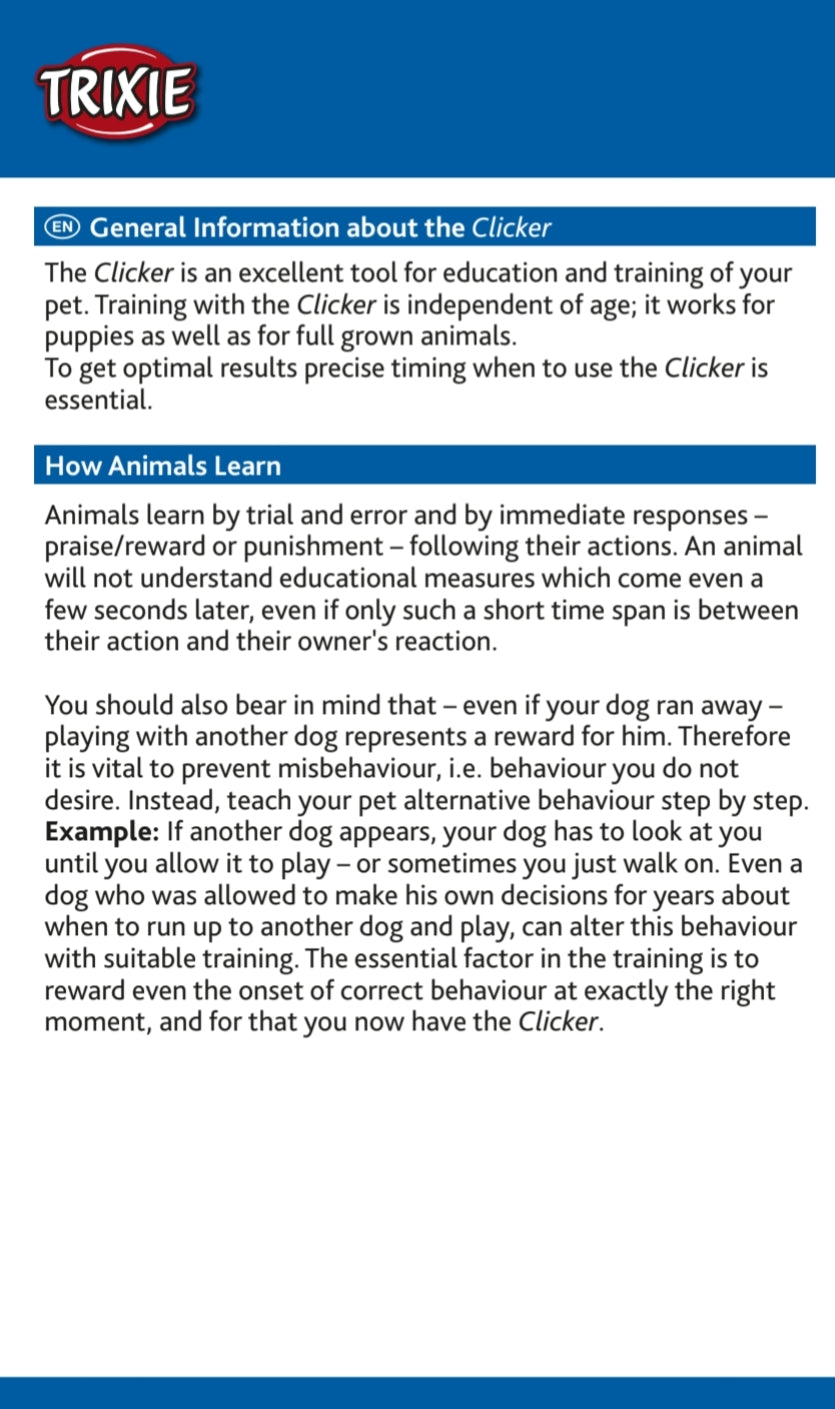
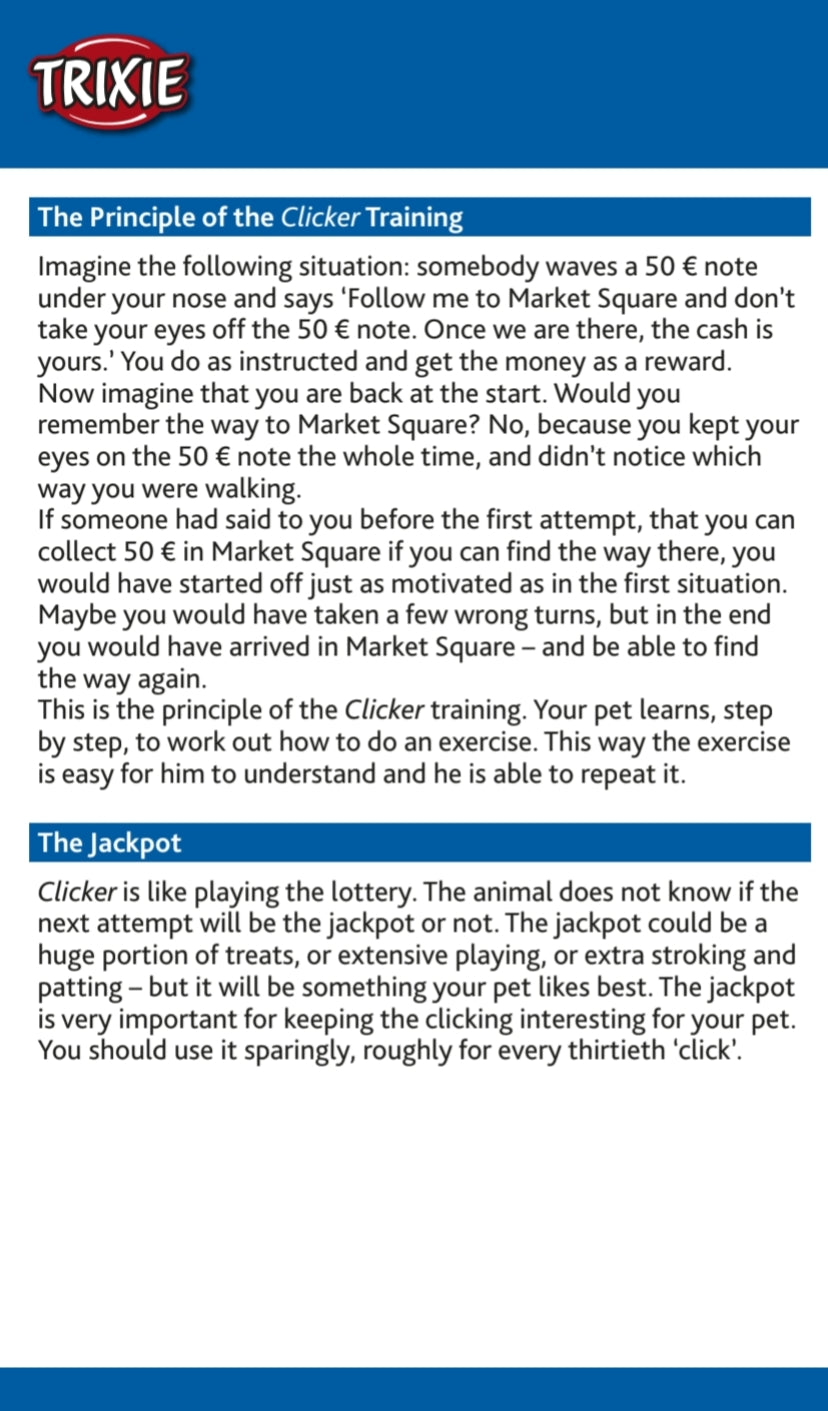
The Benefits of Clicker Training: Why It Works So Well
Clicker training is a highly effective, positive reinforcement method that has revolutionized animal training. Here's why it's so beneficial:
- Precision Timing: The clicker produces a short, distinct sound that can be delivered at the exact instant your pet performs the desired behaviour. This precision is difficult to achieve with verbal praise alone and helps your pet clearly understand what they are being rewarded for.
- Clear Communication: The click sound is neutral and consistent, unlike a human voice which can vary in tone, volume, and emotion. This eliminates ambiguity, making it easier for your pet to understand your expectations.
- Faster Learning: Because of its precision and clarity, clicker training accelerates the learning process. Pets quickly make the connection between their action, the click, and the reward.
- Builds Confidence: It's a positive, reward-based method where the pet is never punished for mistakes. This builds confidence, encouraging them to offer behaviours more readily and to be more creative in their problem-solving.
- Engaging and Fun: Clicker training is an active, engaging process for both pet and owner. It makes learning a fun "game" rather than a chore, strengthening your bond.
- Versatility: It can be used to teach a vast array of behaviours, from basic obedience (sit, stay, come) to complex tricks, agility sequences, and even to modify problem behaviours by marking desired alternatives.
- Refining Behaviours: Once a behaviour is known, the clicker can be used to "shape" and refine it, making it smoother, faster, or more precise.
- Suitable for Many Species: Its universal application makes it effective for dogs, cats, rabbits, birds, and many other animals.
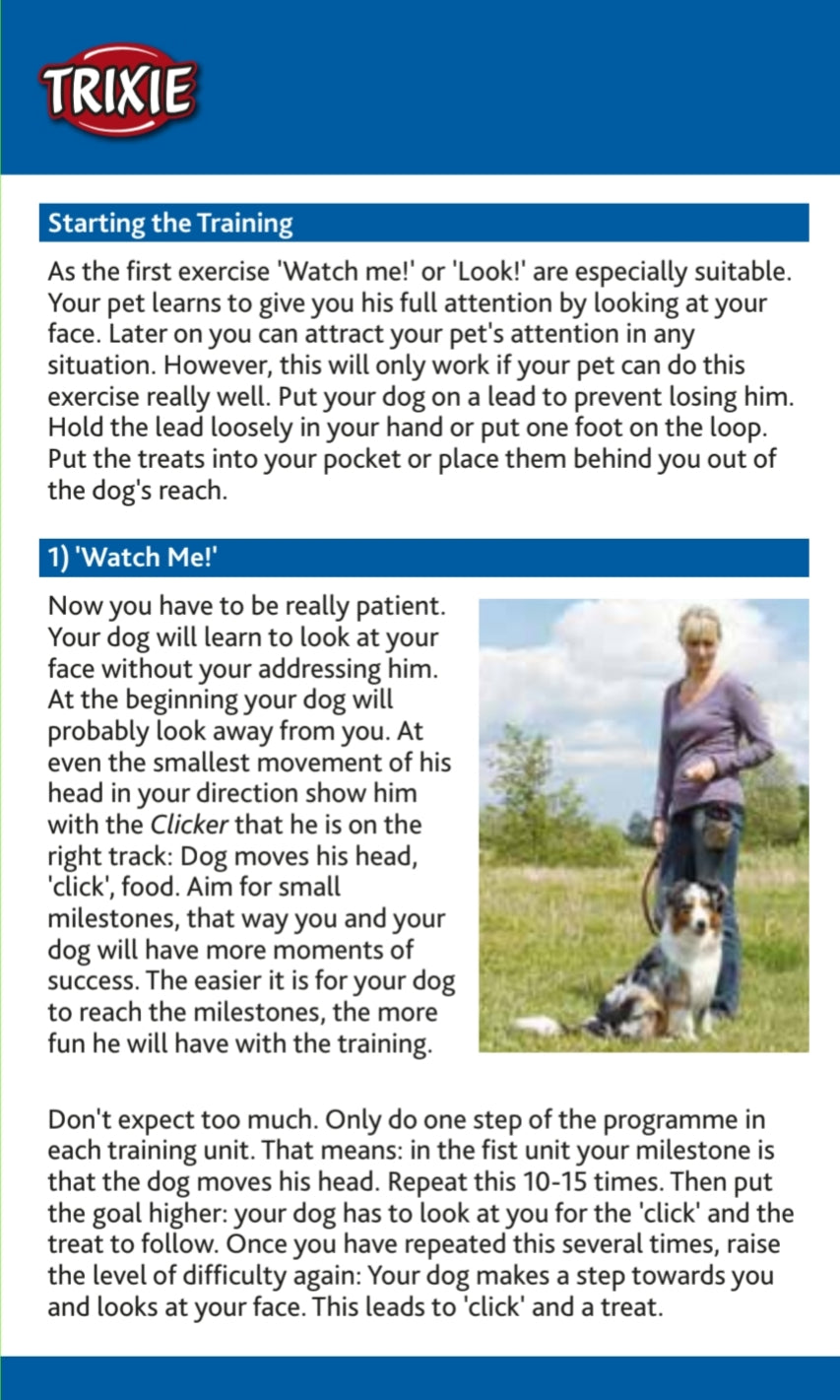
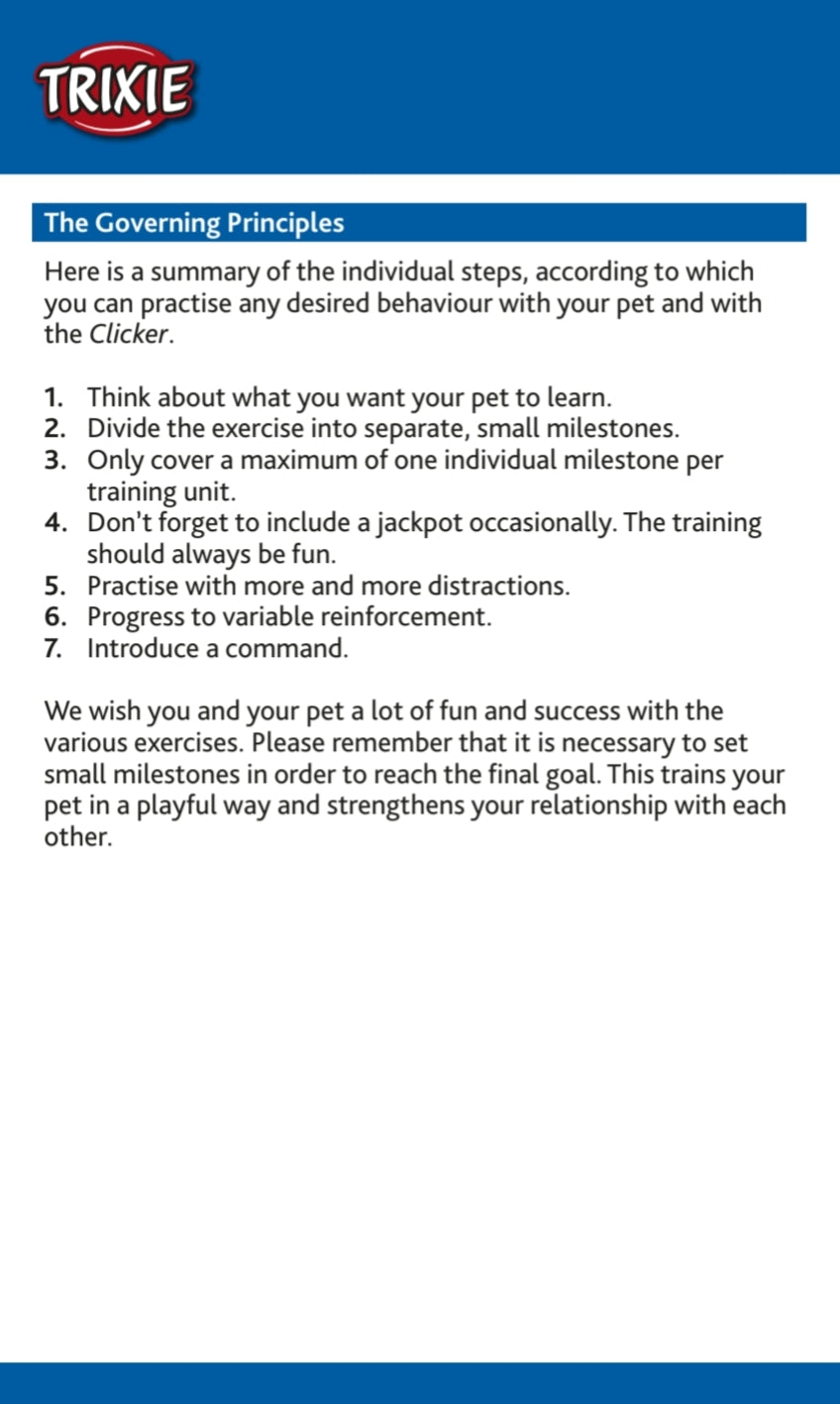
How to Start Clicker Training: A Step-by-Step Guide
Getting started with clicker training is simple and highly rewarding!
Phase 1: "Loading the Clicker" (Creating the Association)
- Find a Quiet Space: Start in a distraction-free environment.
- Gather High-Value Treats: Use small, soft, and irresistible treats that your pet can eat quickly.
- Click, Then Treat: Click the clicker once, then immediately (within 1-2 seconds) give your pet a treat. Do not wait for your pet to do anything. You are teaching them: "Click = Treat."
- Repeat, Repeat, Repeat: Do 10-15 repetitions in a short session (e.g., 1-2 minutes). Repeat these short sessions a few times a day for a day or two. Your pet might start looking for the treat after the click, showing they've made the connection.
Phase 2: "Capturing" Behaviours (Clicking for What They Offer)
- Observe Your Pet: Watch for behaviours your pet offers naturally that you like. For example, if your dog sits on their own, or your cat looks at you.
- Click the Instant They Do It: The very second your pet's bottom touches the ground (for a sit) or they make eye contact, click! Then immediately follow with a treat.
- No Command Yet: Do not say a verbal cue (like "sit") during this capturing phase. You want the click to mark the action itself.
- Repeat: Do this a few times until your pet starts offering the behaviour more frequently. They're trying to figure out what gets the click!
Phase 3: "Shaping" New Behaviours & Adding Cues
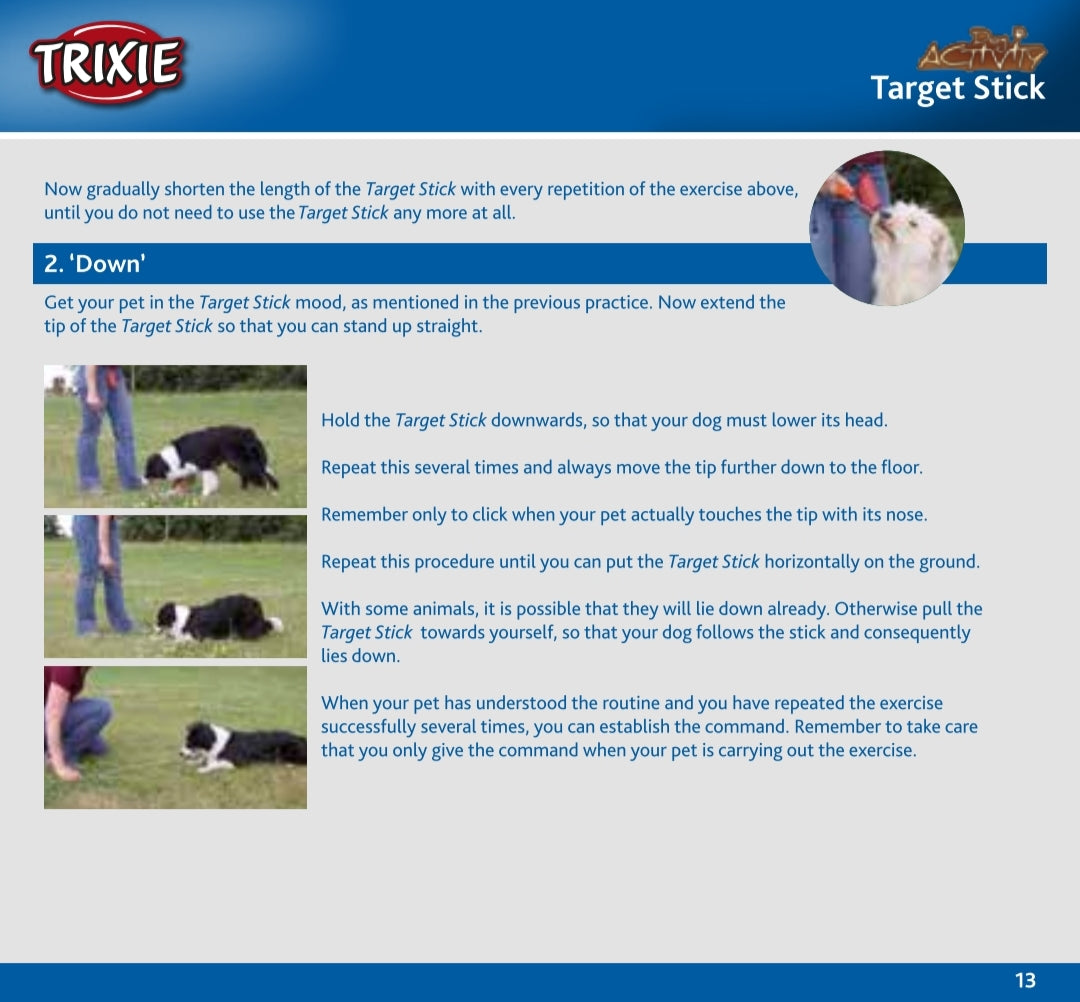
- Break Down Complex Behaviours: For new or more complex behaviours (like "lie down"), break them into tiny steps.
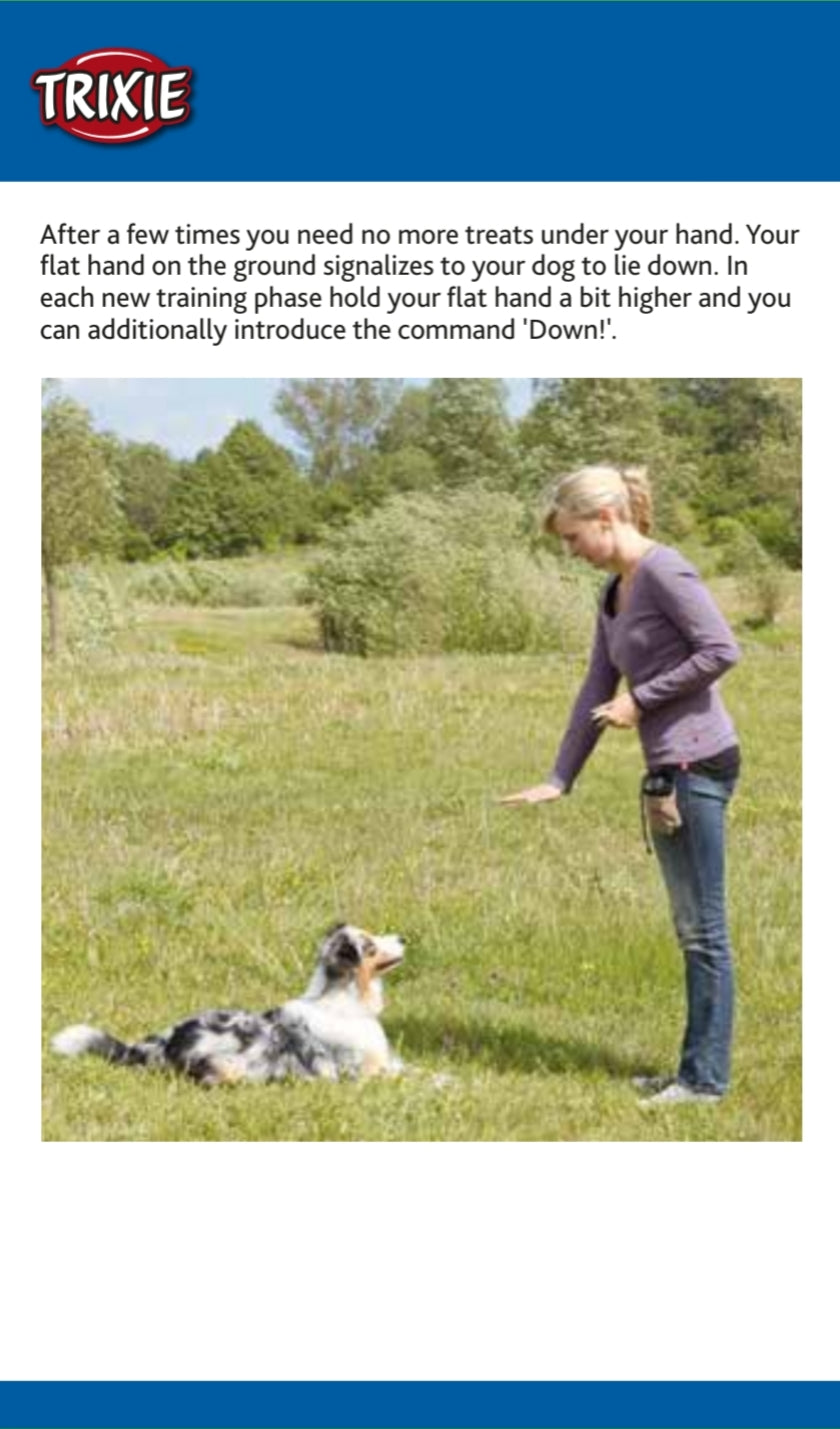
- For "lie down": Click and treat for a head tilt, then for a nose dip, then for one elbow touching, then both, then fully down.
- Click for Approximations: Reward any movement towards the desired behaviour. Don't wait for perfection.
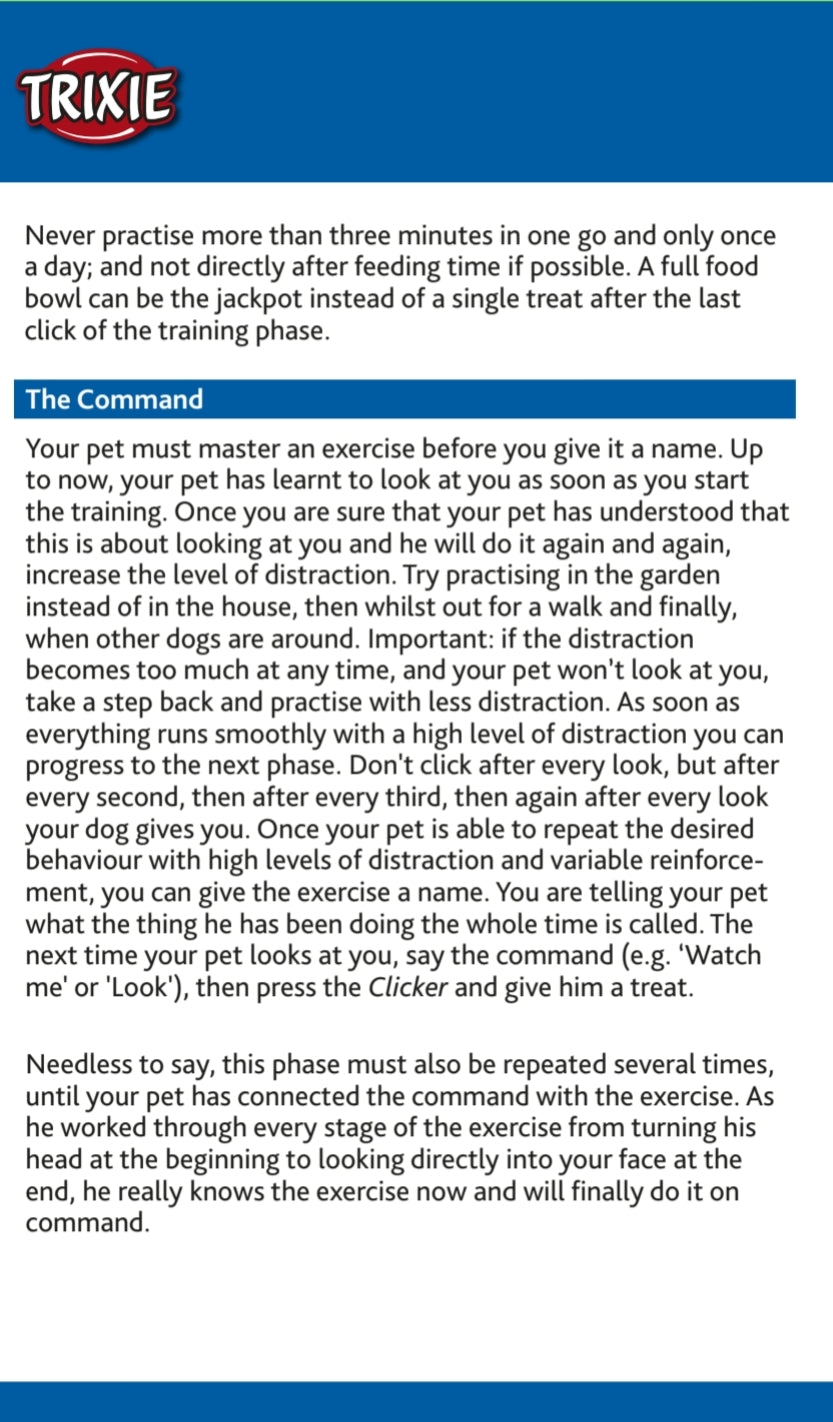
- Add the Verbal Cue (Once Behaviour is Solid): Once your pet is reliably performing the behaviour (e.g., sitting instantly when you wait for it), then and only then, say the verbal cue (e.g., "Sit") just before they perform the action. Click and treat after the action.
- Practice in Different Environments: Once a behaviour is known, practice it in different locations with varying levels of distraction to "proof" the behaviour.
Important Clicker Training Tips:
- One Click, One Treat: Every click must be followed by a treat, especially when loading the clicker and teaching new behaviours.
- Click the Action, Not the Treat: The click marks the behaviour, not the act of receiving the treat.
- Keep Sessions Short & Positive: End on a high note, even if it's after just a few successful clicks.
- No Punishment: Clicker training is purely positive. Never use the clicker to interrupt or punish.
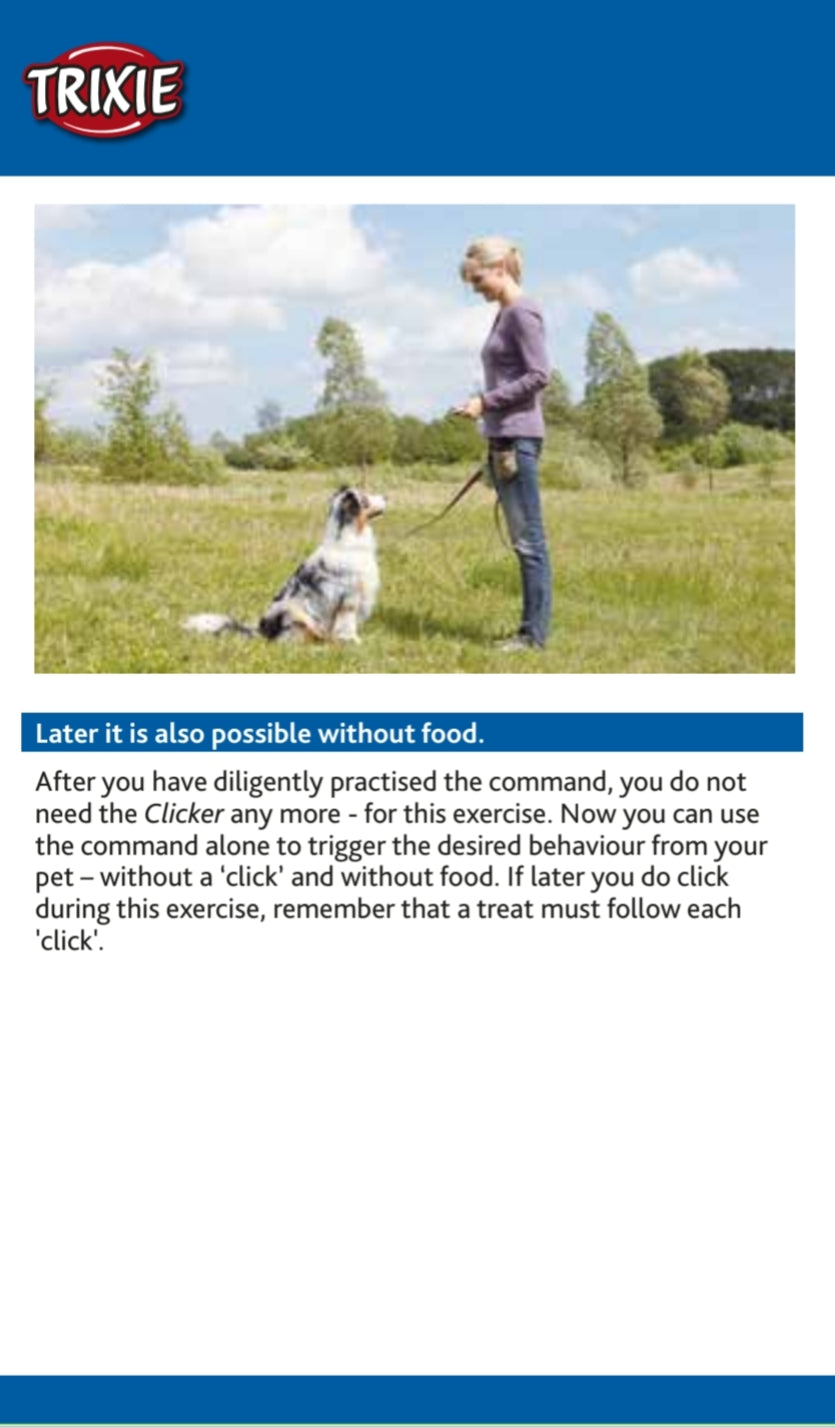
- Fade the Clicker (Eventually): Once your pet reliably performs a behaviour to a verbal cue, you can gradually use the clicker less often, relying on the verbal cue and occasional treats or life rewards.
Masterful Communication: How to Use a Target Stick for Dog Training and Its Advantages
Unleash your dog's learning potential and refine their skills with a simple yet incredibly powerful tool: the target stick. This unassuming wand, often with a small ball or soft tip at the end, is a cornerstone of positive reinforcement training, offering a clear, silent, and precise way to communicate with your dog.
What is a Target Stick and How Does It Work?
A target stick is essentially a portable pointer that you can use to guide your dog's movements without physical manipulation or lure. It works on the principle of touch training and shaping. By teaching your dog to touch the end of the stick with their nose (or paw, chin, etc.), you create a clear visual cue that you can then use to lead them into positions, direct them to objects, or navigate complex patterns.
The process typically involves:
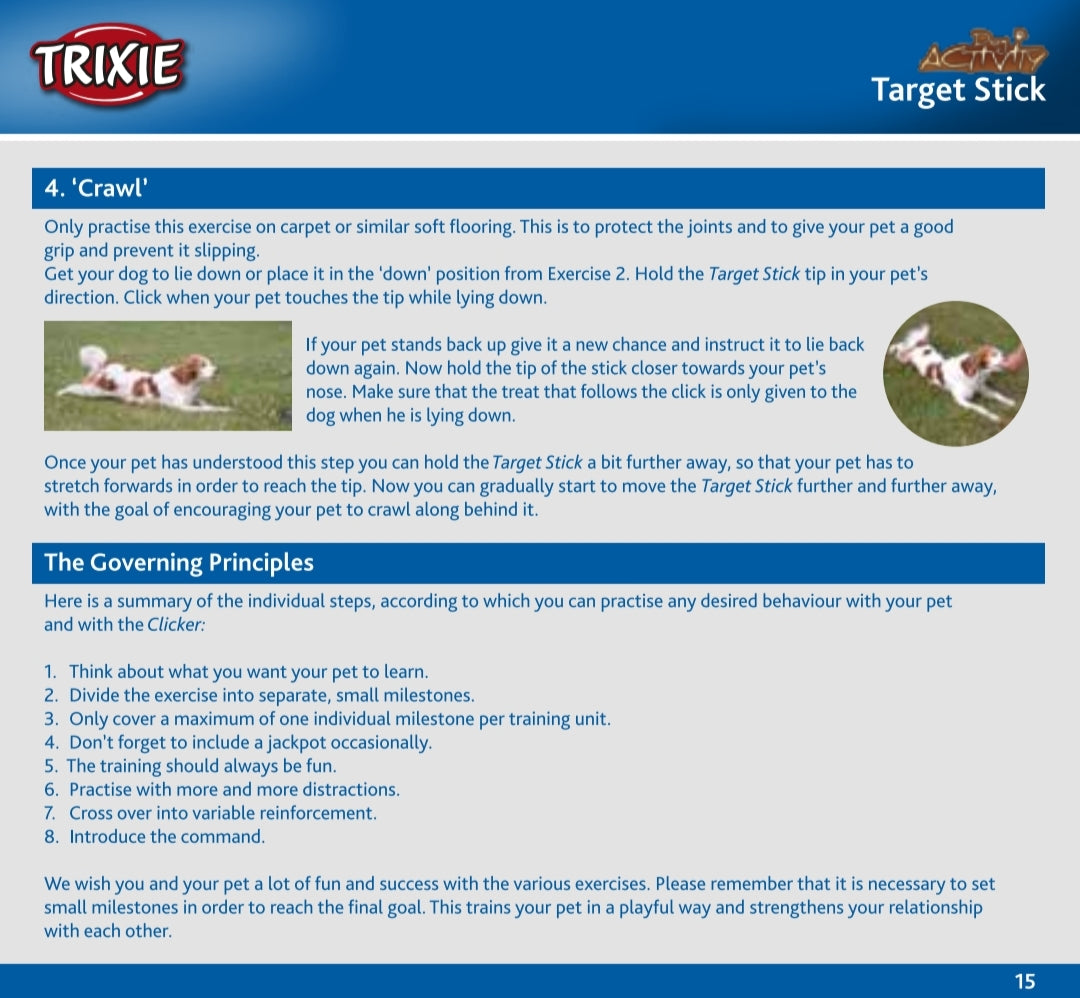
- Introducing the Target: Your dog learns that touching the target stick means a reward is coming.
- Guiding Movement: Once the association is strong, you move the target stick to guide your dog's body into desired positions or locations.
- Fading the Target: As the dog learns the behaviour, you gradually make the target stick less prominent until it's no longer needed, and you can add a verbal cue or hand signal.
How to Introduce Your Dog to the Target Stick:
- Find a Quiet Space & High-Value Treats: Start in a low-distraction environment with plenty of small, desirable treats.
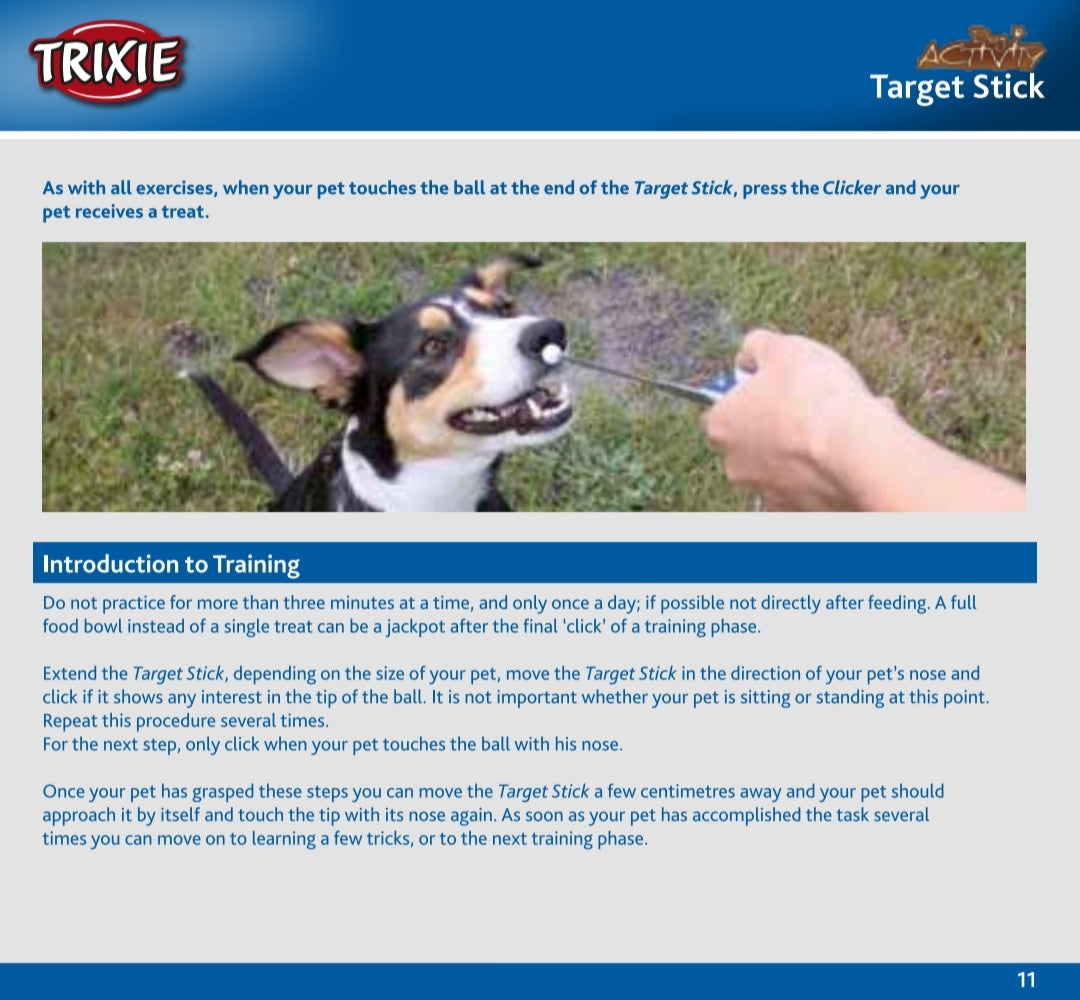
- Present the Stick: Hold the target stick a few inches from your dog's nose.
- Wait for the Touch: Your dog will likely sniff it out of curiosity. The instant their nose touches the stick, say "Yes!" or click (if using a clicker) and immediately give a treat.
- Repeat & Reward: Repeat this process 5-10 times in short bursts. Don't rush. You want them to enthusiastically touch the stick.
- Increase Distance Gradually: Once they are reliably touching, start holding the stick slightly further away, making them take a step or two to touch it.
- Add Movement: Once they reliably move to touch the stick, you can start moving the stick to guide their nose into a simple sit, a down, or around an object.
- Practice Consistently: Short, frequent sessions are more effective than long, infrequent ones.
Advantages of Using a Target Stick in Dog Training:
- Precision Timing in Communication: The target stick provides an incredibly clear visual signal. Your dog knows exactly where you want them to go or what you want them to interact with, reducing confusion and speeding up learning. This is especially helpful for complex or chained behaviours.
- Hands-Off Guidance (No Luring Needed): Unlike luring with food, where your dog might just follow the treat, a target stick encourages your dog to think and choose the behaviour. Once they understand the concept, they are actively engaging their brain to solve the "puzzle" of touching the stick. It prevents your dog from becoming reliant on always seeing food in your hand.
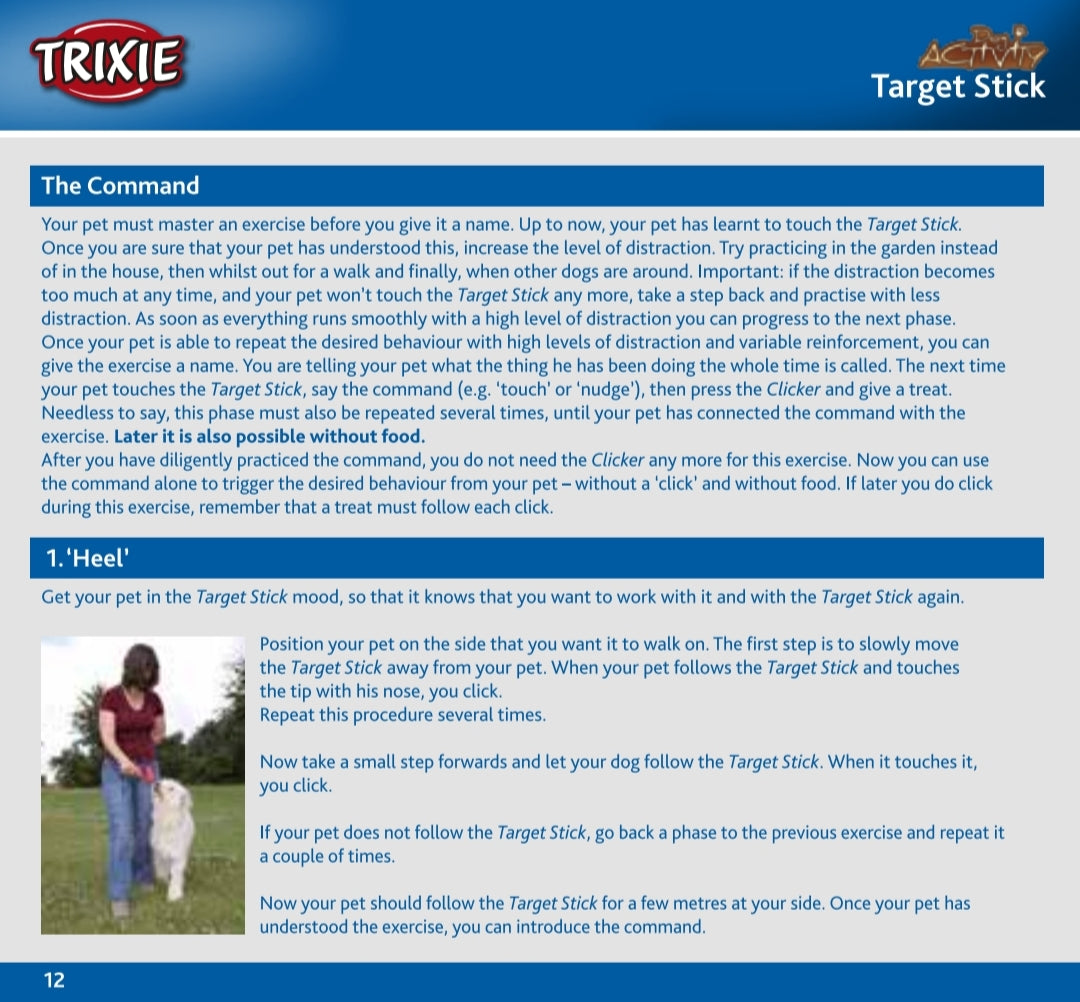
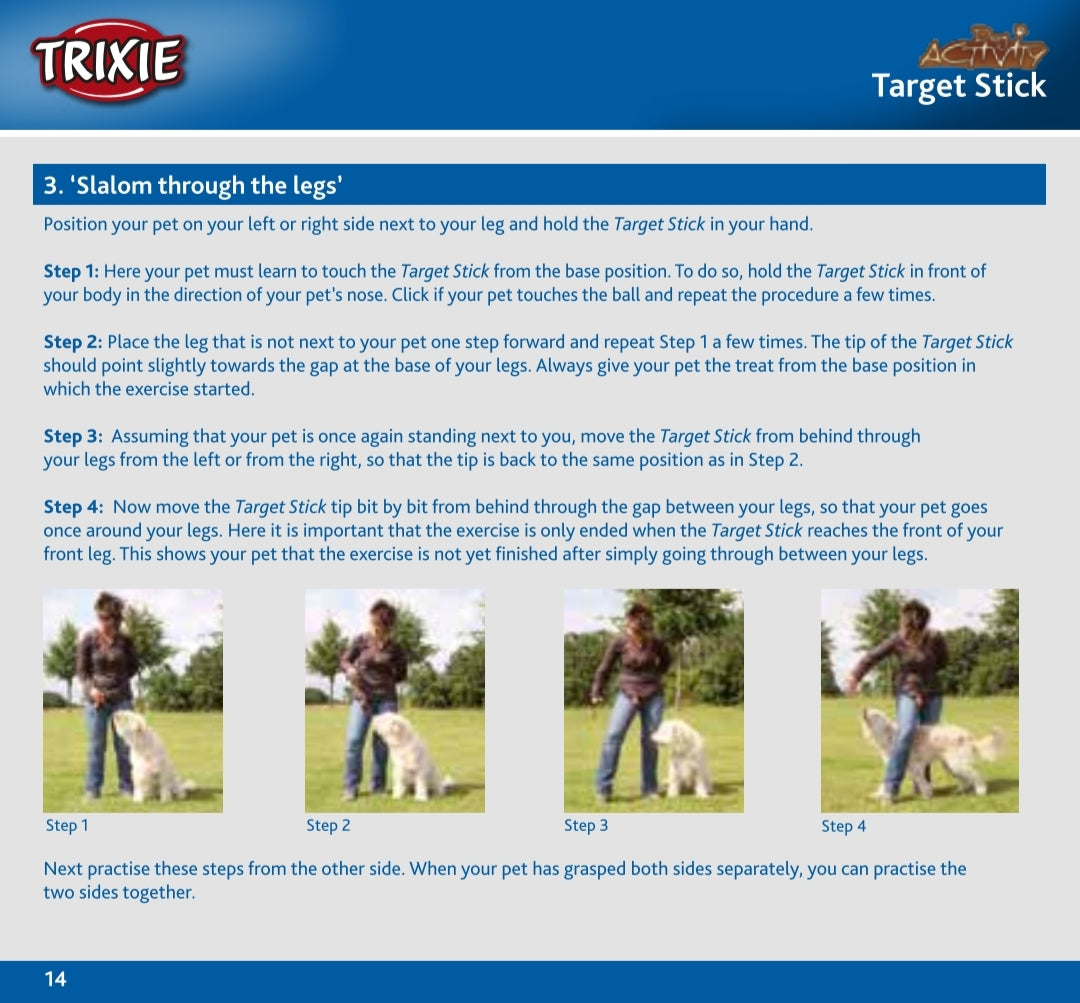
- Versatility for Complex Behaviours: Guide them to a dog bed or crate. Teach them to go to a specific marker at a distance in obedience or agility. Precisely guide their head into the perfect heel position. Easy to teach spins by guiding their nose in a circle. Direct them around cones, furniture, or agility equipment. Teach them to stay in a specific spot. Teach them to touch the stick with a paw (for tricks like "shake) or chin (for "chin rest" on your hand). Break down elaborate behaviours into smaller, manageable steps, each guided by the target stick.
- Builds Confidence and Problem-Solving Skills: Because the dog is actively figuring out how to get the reward by touching the stick, it fosters independent thinking and builds their confidence in trying new things. This "aha!" moment is incredibly rewarding for them.
- Excellent for Shy or Reactive Dogs: A target stick allows you to work with your dog at a distance, reducing the need for close physical contact that might make a shy or fearful dog uncomfortable. It's a non-threatening way to engage them.
- Effective for Dogs of All Ages and Temperaments: From young puppies learning basic positions to senior dogs learning new tricks or regaining mobility, the target stick is adaptable. It's particularly good for dogs who aren't highly food-motivated, as the act of chasing and touching can become a rewarding game in itself, paired with a treat.
- Fades Easily: Once your dog reliably performs a behaviour based on the stick's movement, you can gradually make the stick smaller, then just use a finger pointer, and finally transition to a verbal cue or specific hand signal. This ensures your dog performs the behaviour without relying on the physical presence of the stick long-term.
By incorporating a target stick into your training toolkit, you'll discover a more precise, positive, and enjoyable way to communicate with your dog, unlocking new possibilities for their learning and strengthening your incredible bond.
About Trixie Dog Activity Target Stick
A target stick provides a visual aid for your dog to follow, with the nose friendly ball point end being ideal for guiding your dog into position.
The adjustable nylon cord and belt clip make carrying the target stick simple and easy, while the stick retracts from a length of 65cm to 14cm when not in use.
Suitable for all animals during training, from horses to rabbits.
Have a question?









Trixie | Dog Activity | Training Touch Target Stick

Secure Payment

International Delivery

Pet care advice

Need More Information?
- Choosing a selection results in a full page refresh.